PreRevi Home

Category

Industry Analysis

24 articles

Composing for No One: The Silent Industry of Late-Stage Score Replacement

Composing for No One: The Silent Industry of Late-Stage Score Replacement

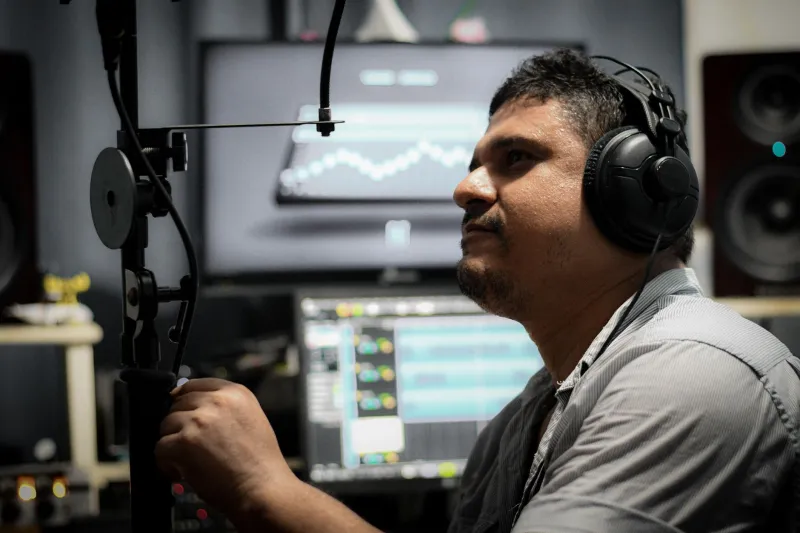
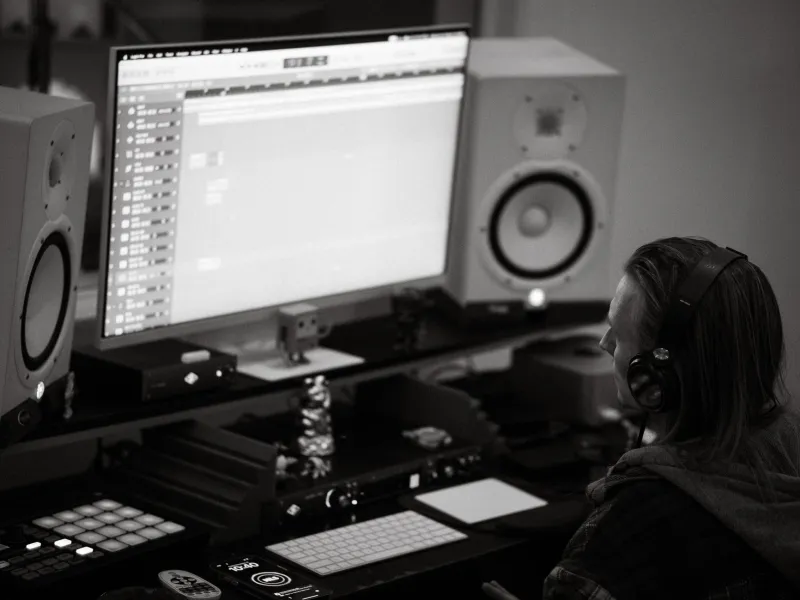
Weeks before a film opens, some of the most consequential decisions in post-production happen in rooms most audiences will never hear about. When studios replace entire musical scores based on test screening data or shifting marketing priorities, they leave behind not just a composer's work—but a version of the film that existed, briefly, and then did not.

Turned Back Up: The Rare Moments Studios Return to the Score They Almost Discarded

Turned Back Up: The Rare Moments Studios Return to the Score They Almost Discarded

When test audiences reject a replacement score and studios quietly reinstate the composer's original work, the reversal exposes far more than a change in musical direction. It lays bare the fragile architecture of executive decision-making in the final weeks before a film opens — and the enormous financial pressure that can make humility the most profitable choice.

Hearing the Doubt: What Happens When a Film's Score Gets Quietly Replaced Before Opening Night

Hearing the Doubt: What Happens When a Film's Score Gets Quietly Replaced Before Opening Night

Between a test screening and a theatrical premiere, a film's entire musical identity can be erased and rebuilt without a single public announcement. These sonic substitutions are rarely acknowledged, yet they function as one of the clearest indicators of a studio's waning confidence in its own product. PreRevi examines the mechanics, the motivations, and the meaning behind Hollywood's most underreported form of last-minute intervention.

What the Camera Caught Before the Studio Could Stop It: Reading Accidental Production Disclosures

What the Camera Caught Before the Studio Could Stop It: Reading Accidental Production Disclosures

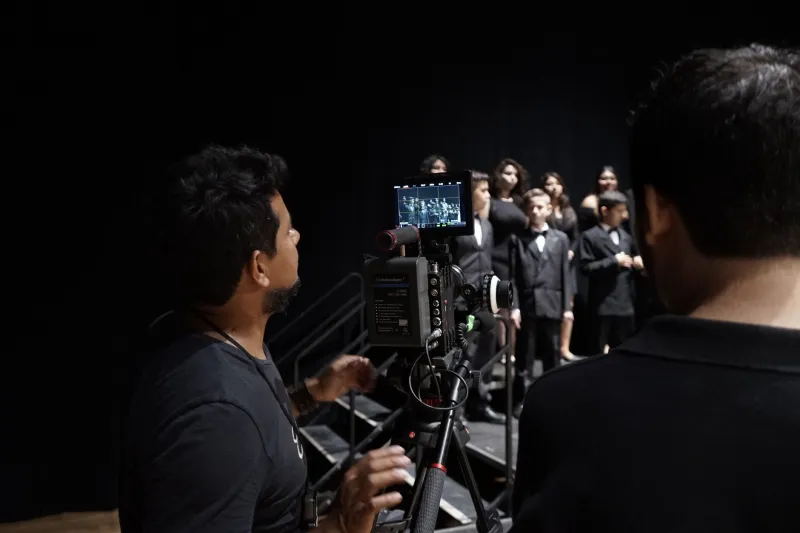
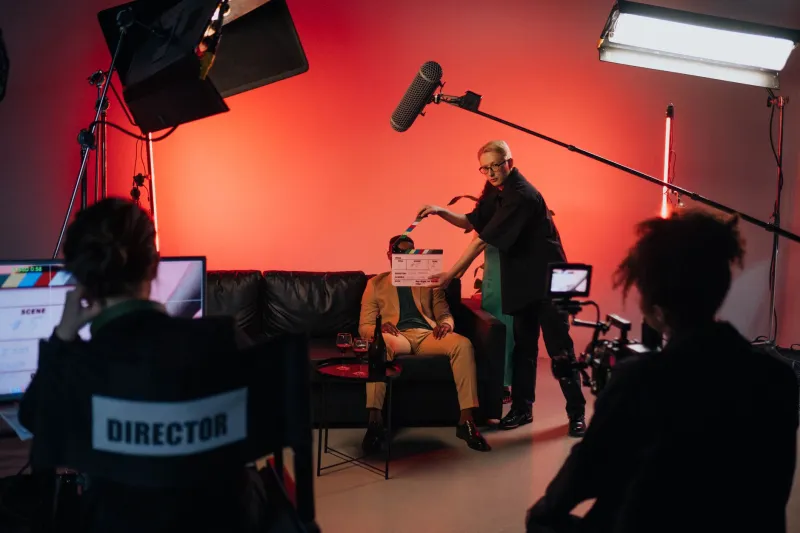
Behind-the-scenes images and unofficial set footage have a habit of communicating truths that polished marketing campaigns are specifically engineered to suppress. From costume alterations that signal last-minute tonal pivots to on-set body language that speaks volumes about cast dynamics, the unguarded production moment has become one of the most reliable early indicators of a film's true condition. PreRevi examines how trained observers have learned to extract meaningful intelligence from mate

The Last Note Changed: What Silent Score Replacements Reveal About a Film's Final Hours

The Last Note Changed: What Silent Score Replacements Reveal About a Film's Final Hours

In the weeks before a major release, some of the most consequential decisions made about a film have nothing to do with the cut audiences will see — they concern the music those audiences will hear. A quiet but growing pattern of late-stage score replacements is reshaping how studios manage emotional risk, and almost none of it is ever publicly acknowledged.

Ghost Credits: The Subtle Production Shifts Studios Hope You Never Notice

Ghost Credits: The Subtle Production Shifts Studios Hope You Never Notice

Not every production crisis announces itself with a press release. A close examination of IMDb credit anomalies, late-stage casting substitutions, and suspiciously re-recorded dialogue reveals a sophisticated system of unreported mid-production corrections that quietly reshape films before they ever reach an audience.

The Invisible Overhaul: How Post-Production Becomes Hollywood's Most Effective Cover Story

The Invisible Overhaul: How Post-Production Becomes Hollywood's Most Effective Cover Story

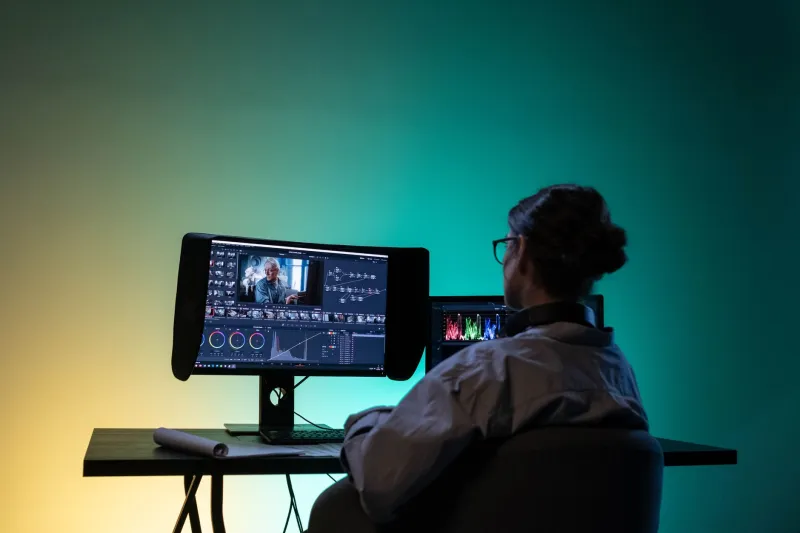
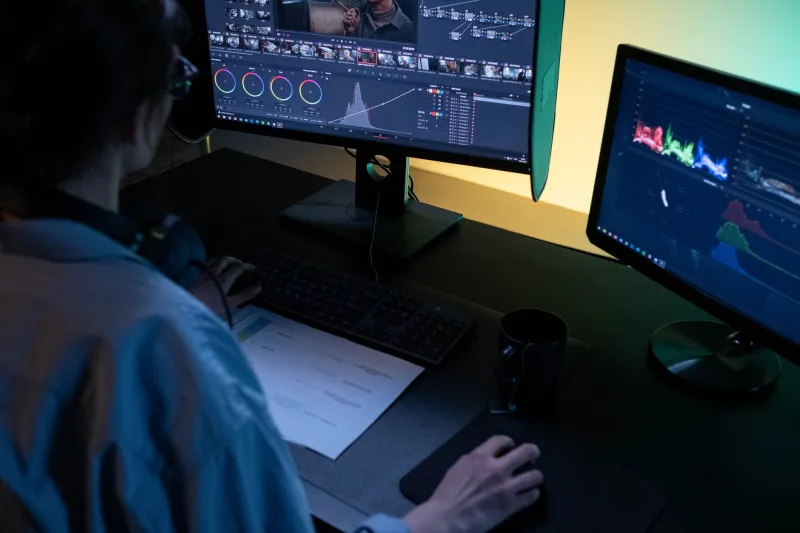
When a film's production unravels, the most consequential damage control rarely happens on set. A growing pattern of post-production intervention—spanning dialogue replacement, digital environment construction, and surgical color manipulation—allows studios to quietly reconstruct troubled films without triggering the industry alarm bells that publicly announced reshoots inevitably produce.

The Quiet Cuts: Why What Studios Don't Say After Test Screenings Reveals Everything

The Quiet Cuts: Why What Studios Don't Say After Test Screenings Reveals Everything

The entertainment industry has trained audiences to scrutinize on-set chaos and publicized reshoots as barometers of a film's health. But the most consequential revisions — the ones made in near-total silence after test audiences have already rendered their verdicts — rarely make headlines, and that absence of noise may be the most instructive signal of all.

How Early Screening Culture Is Quietly Poisoning the Films It Was Meant to Protect

How Early Screening Culture Is Quietly Poisoning the Films It Was Meant to Protect

Studios engineered the early access screening model to generate favorable buzz and control the pre-release narrative. In the social media age, however, that same machinery can crystallize a negative critical consensus weeks before a film reaches general audiences — and the damage, once done, is rarely undone.

When a Director's Exit Becomes the Loudest Review a Film Will Ever Receive

When a Director's Exit Becomes the Loudest Review a Film Will Ever Receive

Before a single frame of marketing footage reaches the public, a high-profile directorial departure can tell audiences everything they need to know about a production's underlying health. PreRevi examines the pattern of prestigious director shuffles and what they reliably signal about the films that follow.

Production in Panic: What Extensive Reshoots Actually Signal About a Film's Fate

Production in Panic: What Extensive Reshoots Actually Signal About a Film's Fate

When a studio orders sweeping reshoots months after principal photography wraps, the official explanation is almost always the same: creative refinement. But a closer look at the pattern across recent releases reveals something more uncomfortable — a system quietly betting against its own product before audiences ever buy a ticket.

Leaked Before Launch: How the Casting Rumor Circuit Is Quietly Dismantling the Studio Announcement

Leaked Before Launch: How the Casting Rumor Circuit Is Quietly Dismantling the Studio Announcement

Long before a studio schedules its official casting reveal, the information has frequently already traveled through a shadow network of agents, set workers, and online investigators. The result is an entertainment landscape where formal announcements often feel less like news and more like confirmation—and where studios are perpetually playing catch-up with their own productions.

Spoiled Before the Credits Roll: How Pre-Release Saturation Is Quietly Eroding the Moviegoing Experience

Spoiled Before the Credits Roll: How Pre-Release Saturation Is Quietly Eroding the Moviegoing Experience

The modern promotional apparatus surrounding a major entertainment release has grown so comprehensive that audiences frequently arrive at theaters having already absorbed the film's key emotional beats, plot turns, and visual setpieces. PreRevi investigates the psychological mechanisms behind pre-release overexposure and the practical strategies audiences can employ to reclaim genuine surprise in an era defined by relentless anticipation content. The tension between staying informed and staying

Overexposed: How the Modern Hype Machine Is Undermining the Films It Promotes

Overexposed: How the Modern Hype Machine Is Undermining the Films It Promotes

Studios invest millions in pre-release campaigns designed to generate excitement, yet a growing body of evidence suggests those same campaigns are quietly cannibalizing box office returns. From early critic screenings to exhaustive press junkets, the machinery of anticipation has developed a self-defeating edge. PreRevi examines the phenomenon reshaping how Hollywood thinks about information control.

The Shrinking Trailer: How Studios Are Quietly Rewriting the Rules of Early Access

The Shrinking Trailer: How Studios Are Quietly Rewriting the Rules of Early Access

Hollywood's marketing apparatus is undergoing a quiet but consequential transformation. Trailers are growing leaner, teasers are becoming more cryptic, and studios are deploying footage with surgical precision. The rise of advance commentary platforms has accelerated this shift—and the tension between what studios want to conceal and what audiences demand to see has never been more pronounced.